Showing posts with label exercise. Show all posts

Friday, July 20, 2012

Why don't you just light up and watch TV?

Won't live forever.
Yet another study says that lack of exercise is as deadly as smoking.
People across the world are falling so far short on exercise that the problem has become a global pandemic, causing nearly a tenth of deaths worldwide and killing roughly as many people as smoking, researchers warned this week as an alarming series of studies was published in the Lancet.
Eight out of 10 youngsters age 13 to 15 don't get enough exercise, according to one of the Lancet studies released Tuesday, and nearly a third of adults fall short. The problem is even worse for girls and women, who are less active than boys and men, researchers found.
I'm going to make this real easy. This costs nothing.

Tuesday, July 10, 2012

Please sit down to read this


This family is doomed.
Restricting the amount of time spent seated every day to less than 3 hours might boost the life expectancy of U.S. adults by an extra 2 years, according to an analysis of published research in the British Medical Journal. And cutting down TV viewing to less than 2 hours every day might extend life by almost 1.4 years.
Several previous studies have linked extended periods spent sitting down and/or watching TV to poor health, such as diabetes and death from heart disease/stroke. 
The researchers used data collected for the National Health and Nutrition Examination Survey (NHANES) for 2005/6 and 2009/10, to calculate the amount of time US adults spent watching TV and sitting down on a daily basis.
To be precise:
The results of life table analyses indicates that cutting the amount of time spent sitting down every day to under three hours would add an extra two years to life expectancy. Similarly, restricting time spent watching TV to under two hours daily would extend life expectancy by an extra 1.38 years.
"Given that the results from objective monitoring of sedentary time in NHANES has indicated that adults spend an average of 55% of their day engaged in sedentary pursuits, a significant shift in behaviour change at the population level is required to make demonstrable improvements in life expectancy," they conclude.
This distresses me so much that I think I'll turn on a rerun of NCIS and take a nap.

(Thanks, Jim)

Sunday, May 20, 2012

Exercise and ADHD


Exercise clears the mind. It gets the blood pumping and more oxygen is delivered to the brain. This is familiar territory, but Dartmouth's David Bucci thinks there is much more going on.
"In the last several years there have been data suggesting that neurobiological changes are happening -- [there are] very brain-specific mechanisms at work here," says Bucci, an associate professor in the Department of Psychological and Brain Sciences. From his studies, Bucci and his collaborators have revealed important new findings:
  • The effects of exercise are different on memory as well as on the brain, depending on whether the exerciser is an adolescent or an adult.
  • A gene has been identified which seems to mediate the degree to which exercise has a beneficial effect. This has implications for the potential use of exercise as an intervention for mental illness.
Bucci began his pursuit of the link between exercise and memory with attention deficit hyperactivity disorder (ADHD), one of the most common childhood psychological disorders. 
Bucci is concerned that the treatment of choice seems to be medication. "The notion of pumping children full of psycho-stimulants at an early age is troublesome," Bucci cautions. "We frankly don't know the long-term effects of administering drugs at an early age -- drugs that affect the brain -- so looking for alternative therapies is clearly important."
"The implication is that exercising during development, as your brain is growing, is changing the brain in concert with normal developmental changes, resulting in your having more permanent wiring of the brain in support of things like learning and memory," says Bucci. "It seems important to [exercise] early in life." 

When I was in school -- and this was first grade through 12th -- we had physical education for one hour every single day. That's not happening now. What's it like at your school?

Sunday, May 6, 2012

Run around, live forever


Will live forever.

Jogging regularly could add about six years to your life, a new Danish study suggests.
"We can say with certainty that regular jogging increases longevity," Peter Schnohr, chief cardiologist of the long-term Copenhagen City Heart Study, said. "The good news is that you don't actually need to do that much to reap the benefits."
The researchers found that male joggers can extend their life by 6.2 years, and women by 5.6 years.
Jogging at a slow pace for one to two and a half hours weekly provided the most significant benefits. "You should aim to feel a little breathless, but not very breathless," said Schnohr. "The relationship appears much like alcohol intakes. Mortality is lower in people reporting moderate jogging, than in non-joggers or those undertaking extreme levels of exercise."
I'm gonna get started tomorrow.

(Thanks, Jim)

Monday, March 5, 2012

Depressed? Take a hike.

Research suggests that the benefits of regular exercise can be powerful and comparable to those of an antidepressant for mild to moderate depression, according to Johns Hopkins Medicine.
Researchers at Duke University randomly divided 202 adults diagnosed with major depression (average age 53) into four groups. Two groups engaged in aerobic exercise three times a week: one group at home and the other in a supervised class setting. The routine was a 10-minute warm-up followed by a half hour of walking or jogging on a treadmill and five minutes of cool-down exercises. The other two groups didn't exercise but were given a typical daily dosage (50 to 200 mg) of the antidepressant sertraline (Zoloft) or a placebo.

Overall, 41 percent of participants achieved remission of depression after four months of treatment, and the percentage of each treatment group that reached this outcome was similar: 47 percent of the Zoloft takers, 45 percent of the supervised exercisers, and 40 percent of those who worked out at home. The placebo response was also considerable (31 percent), a reminder that some of the benefit of depression treatment -- whether medication, psychotherapy, or exercise -- is due to favorable expectations from patients and the attention that accompanies the treatment and being in a study.
How does it work?
It's hard not to feel good -- or at least better -- after exercising. On a psychological level, taking care of your body bolsters self-confidence and imparts a sense of self-control. It also promotes a positive body image, especially important if you're struggling with weight gain, a potential side effect of antidepressants.

Physiologically, exercise increases the flow of oxygen throughout the body, stimulates the nervous system, and affects levels of brain chemicals like serotonin, which, in turn, relieve tension, induce calm and make it easier to handle anxiety and stress. In addition, hormones called endorphins are released by the pituitary gland during exercise, creating a sense of well-being.
It sure can't hurt.

Saturday, January 21, 2012

Learning how exercise works

Exercise protects against a host of illnesses, from heart attacks and dementia to diabetes and infection. How it does so, however, remains surprisingly mysterious. But a paper just published by Beth Levine of the University of Texas Southwestern Medical Centre and her colleagues sheds some light on the matter.
Dr. Levine and her team were testing a theory that exercise works its magic, at least in part, by promoting autophagy. This process, whose name is derived from the Greek for “self-eating”, is a mechanism by which surplus, worn-out or malformed proteins and other cellular components are broken up for scrap and recycled.
Dr. Levine reckons that manipulating autophagy may offer a new approach to treating diabetes. And their research is also suggestive in other ways. 
Autophagy is a hot topic in medicine, as biologists have come to realise that it helps protect the body from all kinds of ailments. 
Autophagy is an ancient mechanism, shared by all eukaryotic organisms (those which, unlike bacteria, keep their DNA in a membrane-bound nucleus within their cells). It probably arose as an adaptation to scarcity of nutrients. Critters that can recycle parts of themselves for fuel are better able to cope with lean times than those that cannot. But over the past couple of decades, autophagy has also been shown to be involved in things as diverse as fighting bacterial infections and slowing the onset of neurological conditions like Alzheimer’s and Huntington’s diseases.
Most intriguingly of all, it seems that it can slow the process of ageing. Biologists have known for decades that feeding animals near-starvation diets can boost their lifespans dramatically.
A few anti-ageing zealots already subsist on near-starvation diets, but Dr Levine’s results suggest a similar effect might be gained in a much more agreeable way, via vigorous exercise. The team’s next step is to test whether boosted autophagy can indeed explain the life-extending effects of exercise. That will take a while. Even in animals as short-lived as mice, she points out, studying ageing is a long-winded process. 
But she is sufficiently confident about the outcome that she has, in the meantime, bought herself a treadmill.

Tuesday, January 17, 2012

Sit down and exercise

The Harvard Medical School makes strength training easy. You just need a chair.

Chair stand

Exercises the muscles of the abdomen, hips, front thighs, and buttocks


Place a small pillow at the back of your chair and position the chair so that the back of it is resting against a wall. Sit at the front of the chair, knees bent, feet flat on the floor and slightly apart. Lean back on the pillow in a half-reclining position with your arms crossed and your hands on your shoulders. Keeping your back and shoulders straight, raise your upper body forward until you are sitting upright. Stand up slowly, using your hands as little as possible. Slowly sit back down. Aim for eight to 12 repetitions. Rest and repeat the set.


Seated bridge

Exercises the muscles of the back thighs, back, and buttocks


Sit slightly forward in a chair with your hands on the armrests. Your feet should be flat on the floor and slightly apart, and your upper body should be upright (don’t lean forward). Using your arms for balance only, slowly raise your buttocks off the chair until you are nearly standing, with your knees bent. Pause. Slowly sit back down. Aim for eight to 12 repetitions. Rest and repeat the set.


Triceps dip

Exercises the muscles of the back upper arms, chest, and shoulders


Put a chair with armrests up against a wall. Sit in the chair and put your feet together flat on the floor. Lean forward a bit while keeping your shoulders and back straight. Bend your elbows and place your hands on the armrests of the chair, so they are in line with your torso. Pressing downward on your hands, try to lift yourself up a few inches by straightening out your arms. Raise your upper body and thighs, but keep your feet in contact with the floor. Pause. Slowly release until you’re sitting back down again. Aim for eight to 12 repetitions. Rest and repeat the set.

More exercises at the link.

Monday, September 5, 2011

Good news for your mice

Will live longer than you.
Keep them on that little treadmill.
Researchers have found one more reason to exercise: working out triggers influential stem cells to become bone instead of fat, improving overall health by boosting the body's capacity to make blood. The body's mesenchymal stem cells are most likely to become fat or bone, depending on which path they follow. Aerobic exercise triggers those cells to become bone more often than fat. In sedentary mice, the same stem cells were more likely to become fat, impairing blood production in the marrow cavities of bones.
I didn't know I had mesenchymal stem cells. Maybe that explains that annoying itch.
"The interesting thing was that a modest exercise program was able to significantly increase blood cells in the marrow and in circulation," says one of the researchers. "What we're suggesting is that exercise is a potent stimulus -- enough of a stimulus to actually trigger a switch in these mesenchymal stem cells."
Can someone hand me the remote?

Friday, August 19, 2011

Roughly the time you spend watching TV commercials


Less than 15 minutes.

A study of more then 400,000 Taiwanese concludes that just 15 minutes of light exercise a day will extend your pathetic life by three years.

Your risk of dying decreases four percent for each additional 15 minutes of exercise a day.

Light exercise includes: falling out of bed, reaching for the remote, putting on your socks ... wait, I just made that up.

"Exercising at very light levels reduced deaths from any cause by 14 percent," said study senior author Xifeng Wu, M.D., Ph.D., professor and chair of The University of Texas MD Anderson Cancer Center Department of Epidemiology. "The benefits of exercise appear to be significant even without reaching the recommended 150 minutes per week based on results of previous research."

So if you don't want to die, get out there and do something.

Friday, April 8, 2011

Is this the next exercise fad?

Likes jumping rope and ice cream.

Traditionally the turf of the boxing ring and schoolyard, jumping rope is nearly perfect exercise in terms of conditioning, cost-benefit and convenience, William Hamilton writes in the Wall Street Journal.
"To coordinate that kind of rhythm, the whole body has to be in sync—core, shoulders, legs," said Brian Nguyen, the actor Mark Wahlberg's personal trainer. Mr. Nguyen trained with Mr. Wahlberg for his role in last year's film "The Fighter." "It's a very intense movement for the body," he explained. 
Jumping is also gentler and kinder, though. "You're getting the most bang for your buck, because you're working almost every part of your body, but there's not the impact of running, because of the way the foot lands," said Alexis Colvin, an assistant professor of sports medicine in the Department of Orthopaedic Surgery at Mount Sinai Medical Center in Manhattan.
So then Hamilton gets down to technique.
John Snow, the manager of Trinity Boxing Gym in Lower Manhattan, has basic pointers. He has me jump in place, without a rope, practicing my arm movement: elbows to my sides, turning the wrist and bending and rolling the elbow, breathing through my nose, setting a pace, staying focused and loose. Mr. Snow called it "controlled relaxation," an eloquent attitude towards life, as well as rope jumping.
"An eloquent attitude towards life." I like that. I think Moose Tracks ice cream is an eloquent attitude toward life.

Thursday, January 27, 2011

Stand up, live forever

You're reading this sitting down, aren't you? Hope you live long enough to make it to the end. Sitting is one of the worst things we can do for our health. I've written about this before, but here's more:
A new study has found that it is not just the length of time people spend sitting down that can make a difference, but also the number of breaks that they take while sitting at their desk or on their sofa. Plenty of breaks, even if they are as little as one minute, seem to be good for people’s hearts and their waistlines.
The study found that prolonged periods of sedentary time, even in people who also spent some time in moderate-to-vigorous exercise, were associated with worse indicators of cardio-metabolic function and inflammation, such as larger waist circumferences, lower levels of HDL (“good”) cholesterol, higher levels of C-reactive protein (an important marker of inflammation) and triglycerides (blood fats). 
Oh man, that's bad.
However, the study also found that, even in people who spent a long time sitting down, the more breaks they took during this time, the smaller their waists and the lower the levels of C-reactive protein.
Whew! That's good.
“Our research showed that even small changes, which could be as little as standing up for one minute, might help to lower this health risk," says Dr. Genevieve Healy, a research fellow at the School of Population Health, The University of Queensland, Australia.
She should know. Those Aussies are always jumping up to chase a kangaroo.


Here are some of her suggestions:
  • Standing up to take phone calls
  • Walking to see a colleague rather than phoning or emailing
  • Having standing meetings or encouraging regular breaks during meetings for people to stand up
  • Centralising things such as rubbish bins and printers so that you need to walk to them
  • Taking the stairs instead of the lift where possible. 
  • Going to a bathroom on a different level 
By "different level," does she mean metaphysically?

Friday, December 3, 2010

Stay active, fight diabetes

The Centers for Disease control predicts that as many as one in three American adults may have diabetes by 2050 as the number of diabetes patients doubles or triples over the next 40 years.

There's one simple thing you can do -- exercise.
People with Type 2 diabetes should get 150 minutes of aerobic exercise a week, according to a new recommendation a committee that wrote a position paper for the American College of Sports Medicine and the American Diabetes Association.

"There is probably not a better medicine out there for people with diabetes than exercise," said Sheri Colberg-Ochs, an Old Dominion University exercise science professor and chair of the committee.

They also recommended that diabetics not let more than two days pass between exercise because frequent activity is key to keeping blood glucose levels from rising.
The first line of treatment of diabetes should be lifestyle changes, such as improving diet and exercise habits, Colberg-Ochs said. "The medications are supplemental to that. You should not take the medications until you make the lifestyle changes." Many people can come off medications, especially if they start making the changes early in their diagnosis.
Even a little bit of activity counts. The 150 minutes of recommended exercise could come in 10-minute bursts throughout the week.

"Weeding, washing your dishes counts, and is very important in people with diabetes," she said. "People think of it as they join the gym or they don't do anything. There are a lot of things in between."

Saturday, November 27, 2010

Weight training works against diabetes

A new study predicts that half of Americans will be diagnosed with diabetes by 2020. So that's you or somebody you love.


Here's a strategy for preventing it. A new study suggests that when it comes to exercise, the combination of aerobics and weight lifting is better than either activity alone at lowering blood sugar in diabetes patients.
That doesn't mean double the time spent exercising, however. The study found that doing both types of exercise — some days spent doing cardio, and other days lifting weights — was effective, even if patients' total exercise time did not differ.
To figure out which type of exercise was most effective, researchers recruited 262 sedentary adults with diabetes for a nine-month study. The volunteers were randomly assigned to one of four groups: aerobic exercise only (about 150 minutes of walking on a treadmill per week), resistance training only (upper- and lower-body exercises on weight machines three days per week), aerobic exercise plus weights (two weekly sessions of weight training plus cardio on other days, with total exercise time roughly equaling the other groups), and no exercise.
The researchers found that participants in the combination group were able to lower their blood levels of HbA1C (an indicator of blood sugar) by 0.34%, compared with the aerobics- and weights-only groups, who lowered their HbA1C levels by 0.24% and 0.16%, respectively. The only change that was statistically significant from the control group's, however, was that of the combination exercise group.
Participants in the combination-exercise group lowered the amount of diabetes medication they needed on average. They were also the only ones to lose weight out of all the groups. And while all groups lost some fat mass, the combination-exercise group and lost the most compared with the control group.

"The biggest consumer of blood sugar is skeletal muscle, and anything you do to improve the health of your muscles will help control your use of blood sugar," said the study's lead author, Dr. Timothy Church, director of preventive medicine research at the Pennington Biomedical Research Center at Louisiana State University System.

Friday, November 5, 2010

How to walk your way to health

Research shows that starting a walking program can help people with type 2 diabetes achieve tighter glucose control, Johns Hopkins reports, but everyone can benefit.
A study by Italian researchers found that sedentary diabetes participants who began walking about 30 minutes a day lowered their hemoglobin A1c levels by 0.4% after two years. The walkers also experienced marked improvements in cholesterol, triglycerides (a type of fat in the blood), protective high-density lipoprotein (HDL) cholesterol, and blood pressure.
Most people with diabetes can follow the American Heart Association and American College of Sports Medicine recommendation to get at least 30 minutes of moderate physical activity on most, and preferably all, days of the week or at least 20 minutes of vigorous aerobic activity three days a week. "Moderate" activity is defined as equivalent to walking at a pace of 3 to 4 miles per hour.
How do you know if you're getting the benefit?
Try to achieve a "target heart range" that's between 50 and 70% of your maximum heart rate (MHR), which is an estimate of how fast your heart would beat at the very peak of physical exertion. This formula may seem a bit complicated at first, but it can help you find an appropriate walking pace for your age that provides solid health benefits.
I've done this and it's not as complicated as it sounds. The heart rate monitor I bought a few years ago even did the calculation for me.
  • First, determine your MHR by subtracting your age from the number 220. MHR is 158 (220-62 = 158).
  • Now determine your target heart range by first multiplying your MHR by 0.5 then multiplying it by 0.7. Example: If you are 62, your target heart range during exercise is between 79 and 111 beats per minute (158 x 0.5 = 79; 158 x 0.7 = 111). Once you know your target heart range, stop in the middle of your next walk and check your heart rate. Using your middle and index fingers, find your pulse at the base of your wrist or on the side of your neck. Count the beats for 15 seconds (the first beat counts as zero). Take the total and multiply by four to determine your heart rate. Are you within your target heart range?
     
  • When first starting out, aim for the low end of your target heart range. Once you have checked your heart rate during exercise a few times you will come to know what the proper intensity feels like.
As an alternative to using this formula, you can purchase a heart rate monitor, which does the work for you. Or you can follow some simple rules of thumb that will keep you moving at a healthy clip:
  • Walk as though you're running late to catch a bus or plane, but not so fast that you can't talk and keep up a conversation.
  • If you don't break a sweat during a workout, chances are you aren't walking fast enough.
  • Start counting. According to a study in the American Journal of Preventive Medicine, walking at a pace equal to roughly 100 steps per minute produces a moderate degree of physical exertion. (If keeping track of steps is too hard, use a pedometer.)

Tuesday, October 12, 2010

A second look at antioxidants

One of the current fads in nutrition today is antioxidants -- vitamins like C and E that go after free radicals, molecules created by the breakdown of oxygen during metabolism.

"Each of us constantly creates free radicals simply by living and breathing, Tara Parker-Hope writes in The New York Times. "But these molecules are highly reactive and capricious, sometimes attacking other cells and damaging tissue. Wilding free radicals have been linked with a number of diseases and with aging."

Exercise, she writes, creates even more free radicals, and so athletes were encouraged to to lots of antioxidants. A few years ago, however, some researchers started fooling around with rats. One group got lots of antioxidants before exercise, the other got none. The antioxidant bunch showed no free radicals in their blood.
The leg muscles of the other exercised rats, though, teemed with free radicals. But at the same time, they buzzed with other, unexpected biochemical reactions. In their legs, genes were being expressed that activated growth factors that, in turn, increased levels of ‘‘important enzymes associated with cell defense’’ and ‘‘adaptation to exercise,’’ the researchers wrote. There was hardly any similar activity in the rats with low free-radical levels. Somehow, the researchers speculated, the free radicals had jump-started a process that over time would allow the rats’ muscles to adapt to exercise. Suppressing the production of free radicals had, they concluded, prevented the ‘‘activation of important signaling pathways’’ and altered the muscles’ ability to adapt to exercise. As a result, they wrote, ‘‘the practice of taking antioxidants’’ to ward off the presumed free-radical damage caused by exercise ‘‘may have to be re-evaluated.’’
Then another study last year, this time with humans.
A group of young men were enrolled in a month-long exercise program. Some swallowed moderately high doses of the antioxidant vitamins C and E. Others did not. At the end of the month, the men not taking the vitamins showed higher-than-average activity in their bodies’ innate antioxidant defense system. The men downing the vitamins did not, which makes sense; the antioxidant vitamins were mopping up the free radicals for them. But at the same time, the men not taking vitamins significantly increased their insulin sensitivity, a key measure of the health benefits of exercise, while those taking the antioxidants did not. Apparently, when the body’s natural antioxidant defense system went into high gear, so did its ability to handle insulin. Removing the necessity for the body to deal, on its own, with the free radicals also prevented other adaptations that make exercise healthy.
What does all of this mean?
‘‘The evidence suggests that antioxidants are not needed’’ by most athletes, even those training strenuously, said Li Li Ji, a professor of exercise physiology and nutritional science at the University of Wisconsin and one of the authors of the rat study. ‘‘The body adapts,’’ he said, a process that can, it seems, be altered by antioxidant supplements.


Another lesson: ‘‘Eat well,’’ he said. Although this is not yet proved, it seems likely, he continued, that antioxidants from foods, like blueberries, green tea and carrots, may work in tandem with the body’s natural antioxidant defenses better than those from supplements.

But the overriding lesson of the newest science about exercise and antioxidants may be as simple as: let the body be. ‘‘It is quite a smart machine,’’ Dr. Ji said. ‘‘It knows how to respond’’ to stresses like a hard run, without the need for antioxidant pills.
It's not clear how this affects people not consider "athletes," and that will be something to discover. But, in the Duh Department, it seems that if exercise is good for us, and we know it is, the body is wise in its own ways.

Tuesday, August 31, 2010

Can exercise keep you from gaining weight?

Yes, if you do more of it than most of us do, a Harvard Medical School study concludes.
Among normal-weight women, the likelihood of putting on weight decreased as physical activity level increased. Among women who were overweight or obese, there was no relationship between physical activity and weight gain.

Thus, for women who aren’t overweight or obese, exercise can keep off excess pounds, but it must add up to about seven hours per week of moderately intense activity such as brisk walking or casual bicycling — or 3.5 hours per week of vigorous activity such as jogging or aerobic dancing.

For women who are already overweight or obese, increased physical activity alone is not enough to prevent further weight gain. These women also need to reduce their calorie intake. But they should still get at least 30 minutes of moderately intense physical activity most days for the sake of the many health benefits, which include a reduced risk of chronic conditions such as heart disease and stroke.
The researchers analyzed data provided by 34,079 healthy women, average age 54, who were participating in the long-term Women’s Health Study. Between 1992 and 2007, the women reported their body weight and physical activities every three years. They also provided information on matters that could affect the link between physical activity and weight change, such as smoking, postmenopausal hormone use, alcohol intake, and diet.


Friday, August 27, 2010

Walk and think at the same time

More good news for plain old-fashioned walking.

A group of "professional couch potatoes," as one researcher described them, has proven that even moderate exercise -- in this case walking at one's own pace for 40 minutes three times a week -- can enhance the connectivity of important brain circuits, combat declines in brain function associated with aging and increase performance on cognitive tasks.

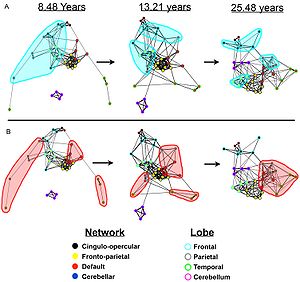
Rather than focusing on specific brain structures, the study looked at activity in brain regions that function together as networks.
"Almost nothing in the brain gets done by one area -- it's more of a circuit," said University of Illinois psychology professor and Beckman Institute Director Art Kramer, who led the study with kinesiology and community health professor Edward McAuley and doctoral student Michelle Voss. "These networks can become more or less connected. In general, as we get older, they become less connected, so we were interested in the effects of fitness on connectivity of brain networks that show the most dysfunction with age."

Neuroscientists have identified several distinct brain circuits. Perhaps the most intriguing is the default mode network (DMN), which dominates brain activity when a person is least engaged with the outside world -- either passively observing something or simply daydreaming. Previous studies found that a loss of coordination in the DMN is a common symptom of aging and in extreme cases can be a marker of disease, Voss said.
At the end of the year, DMN connectivity was significantly improved in the brains of the older walkers, but not in the stretching and toning group, the researchers report. The walkers also had increased connectivity in parts of another brain circuit (the fronto-executive network, which aids in the performance of complex tasks) and they did significantly better on cognitive tests than their toning and stretching peers.

"The higher the connectivity, the better the performance on some of these cognitive tasks, especially the ones we call executive control tasks -- things like planning, scheduling, dealing with ambiguity, working memory and multitasking," Kramer said. These are the very skills that tend to decline with aging, he said.
You don't even need a gym membership.


Graphs of the dynamic development of correlations between brain networks. (A) In children the regions are largely local and are organized by their physical location; the frontal regions are highlighted in light blue. (B) In adults the networks become highly correlated despite their physical distance; the default network is highlighted in light red.

Saturday, August 21, 2010

Tai chi is found to relieve chronic pain

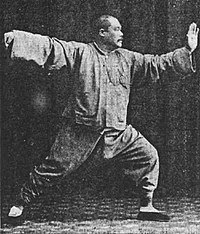
A posture from the Yang style tai chi chuan 
I took a brief course in tai chi this year. What I sudied is called Tai Chi Easy, because it has only five moves drawn from the many tai chi disciplines. It is a relaxing experience.

Now some researchers have found it to be a good treatment for fibromyalgia, a somewhat mysterious chronic pain condition. The New York Times reports:
A clinical trial at Tufts Medical Center found that after 12 weeks of tai chi, patients with fibromyalgia, a chronic pain condition, did significantly better in measurements of pain, fatigue, physical functioning, sleeplessness and depression than a comparable group given stretching exercises and wellness education. Tai chi patients were also more likely to sustain improvement three months later.
Fibromyalgia is a complex and often-confusing condition, affecting five million Americans, mostly women. Since its symptoms can be wide-ranging and can mimic other disorders, and its diagnosis depends largely on patients’ descriptions, not blood tests or biopsies, its cause and treatment have been the subject of debate.
“It’s an impressive finding,” said Dr. Daniel Solomon, chief of clinical research in rheumatology at Brigham and Women’s Hospital in Boston, who was not involved in the research. “This was a well-done study. It was kind of amazing that the effects seem to carry over.” 
More on the study:
The fibromyalgia study involved the yang style of tai chi, taught by a Boston tai chi master, Ramel Rones. Dr. Solomon and other experts cautioned that bigger studies with other masters and approaches were necessary.

Still, patients, who received twice-weekly tai chi classes and a DVD to practice with 20 minutes daily, showed weekly improvement on an established measurement, the Fibromyalgia Impact Questionnaire, improving more than the stretching-and-education group in physicians’ assessments, sleep, walking and mental health. One-third stopped using medication, compared with one-sixth in the stretching group.

You can begin exploring tai chi here.

Friday, August 20, 2010

From the Duh Department

Eat your vegetables and exercise -- are you tired of hearing it? Well, here's more proof of it.

First the green stuff:
Eating more green leafy vegetables can significantly reduce the risk of developing type 2 diabetes, according to research published online in the British Medical Journal.

The authors believe that fruit and vegetables can prevent chronic diseases because of their antioxidant content. Green leafy vegetables such as spinach may also act to reduce type 2 diabetes risk due to their high magnesium content.

The authors argue that "our results support the evidence that 'foods' rather than isolated components such as antioxidants are beneficial for health … results from several supplement trials have produced disappointing results for prevention of disease."
And the get moving stuff:
Researchers analyzed city- and state-level data from the United States and international data from 15 countries to study the relationship between "active travel" -- bicycling or walking rather than driving -- and physical activity, obesity and diabetes.

The results showed that more than half of the differences in obesity rates among countries is linked to walking and cycling rates. In addition, about 30 percent of the difference in obesity rates among states and cities is linked to walking and cycling rates.
So, ride your bike to the green grocer.